
The Original DTRO
How ROCHEM Advanced Reverse Osmosis for High-Strength Wastewater
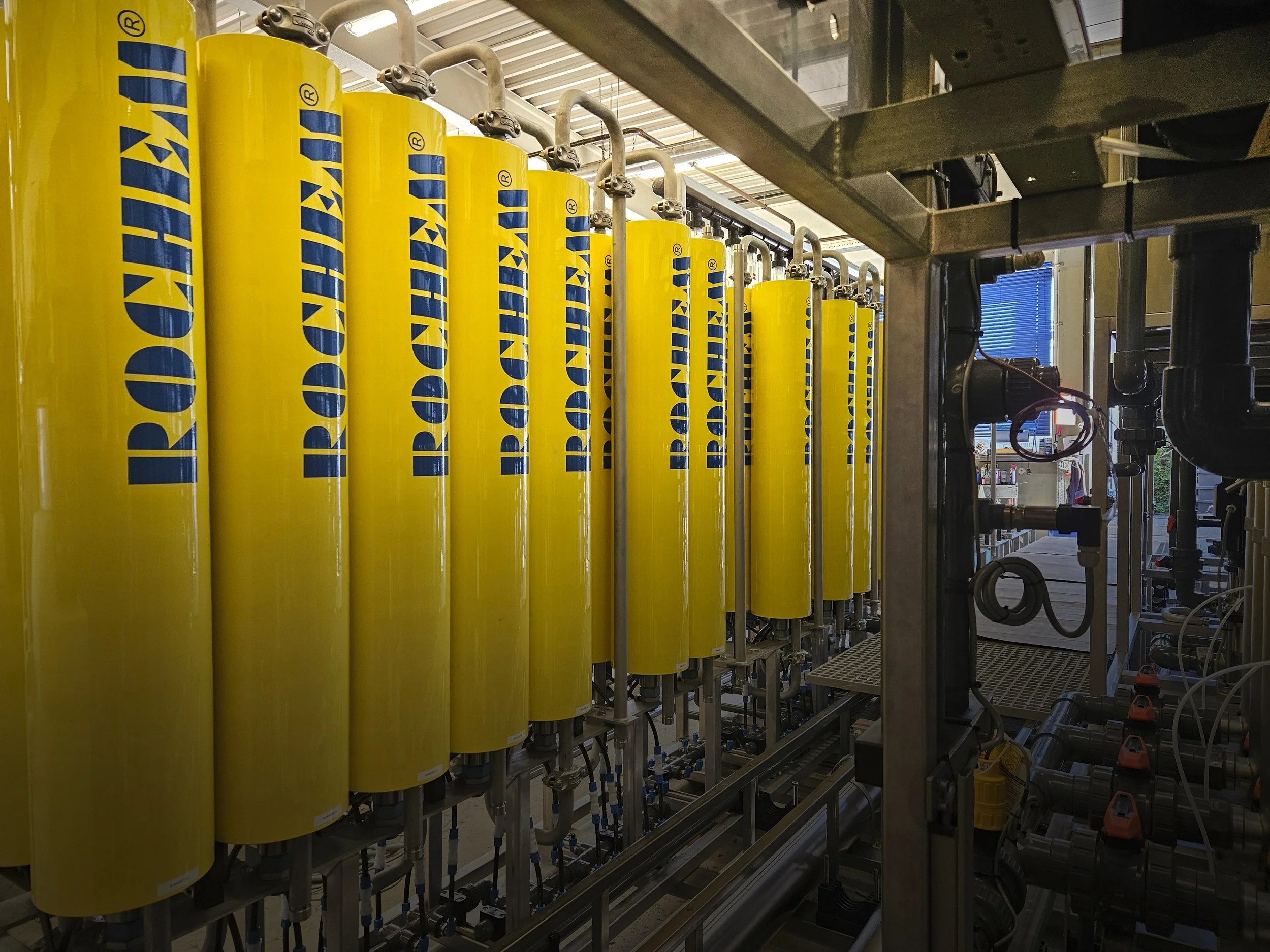
ROCHEM designed and patented the DTRO module in 1982. Our technology quickly became the standard for reverse osmosis systems worldwide.
Read More Below
Water is one of our most valuable resources. As populations grow, regulations become more stringent, and industries seek sustainable ways to operate, the ability to recover, reuse, and protect water has never been more important.
For decades, reverse osmosis (RO) has been the gold standard of water treatment, helping transform impaired water sources into clean, usable water for communities and industries around the world. Its ability to remove dissolved contaminants with exceptional efficiency has made it one of the most widely adopted treatment technologies in modern water management.
But not all water can be treated equally.
Why Reverse Osmosis Became the Gold Standard
Reverse osmosis works by applying pressure to force water through a semi-permeable membrane, separating water molecules from dissolved salts, contaminants, and other impurities.
The result is high-quality permeate that can be reused, discharged, or further treated depending on the application.
Today, reverse osmosis is used across a wide range of industries and applications, including:
Seawater desalination
Industrial water treatment
Wastewater reclamation
Water reuse systems
Municipal water treatment
Its effectiveness and reliability have made RO one of the most important advancements in modern water treatment.
The Challenge of High-Strength Wastewater
While conventional reverse osmosis performs exceptionally well in many applications, some wastewater streams present unique challenges.
Landfill leachate, industrial wastewater, and other high-strength streams often contain elevated concentrations of dissolved solids, organics, ammonia, heavy metals, and other contaminants. These conditions can increase fouling and scaling, reduce operational efficiency, and place greater demands on treatment systems.
As environmental regulations tightened and wastewater streams became increasingly complex, it became clear that a different approach was needed.
ROCHEM's Innovation: The Birth of DTRO
In 1982, ROCHEM engineers saw an opportunity to advance reverse osmosis technology beyond the limitations of conventional membrane designs.
Rather than simply adapting existing systems, they developed and patented Disc Tube Reverse Osmosis (DTRO), a membrane configuration specifically engineered to handle challenging wastewater streams.
The innovation centered around a unique disc-and-tube design that created wider flow channels than those found in conventional spiral-wound membranes. This design improved resistance to fouling and scaling, simplified cleaning, and enabled reliable operation in applications where conventional systems often struggled.
The result was a reverse osmosis system capable of treating some of the world's most difficult wastewater streams while maintaining the water quality benefits that made RO the industry's preferred treatment technology.
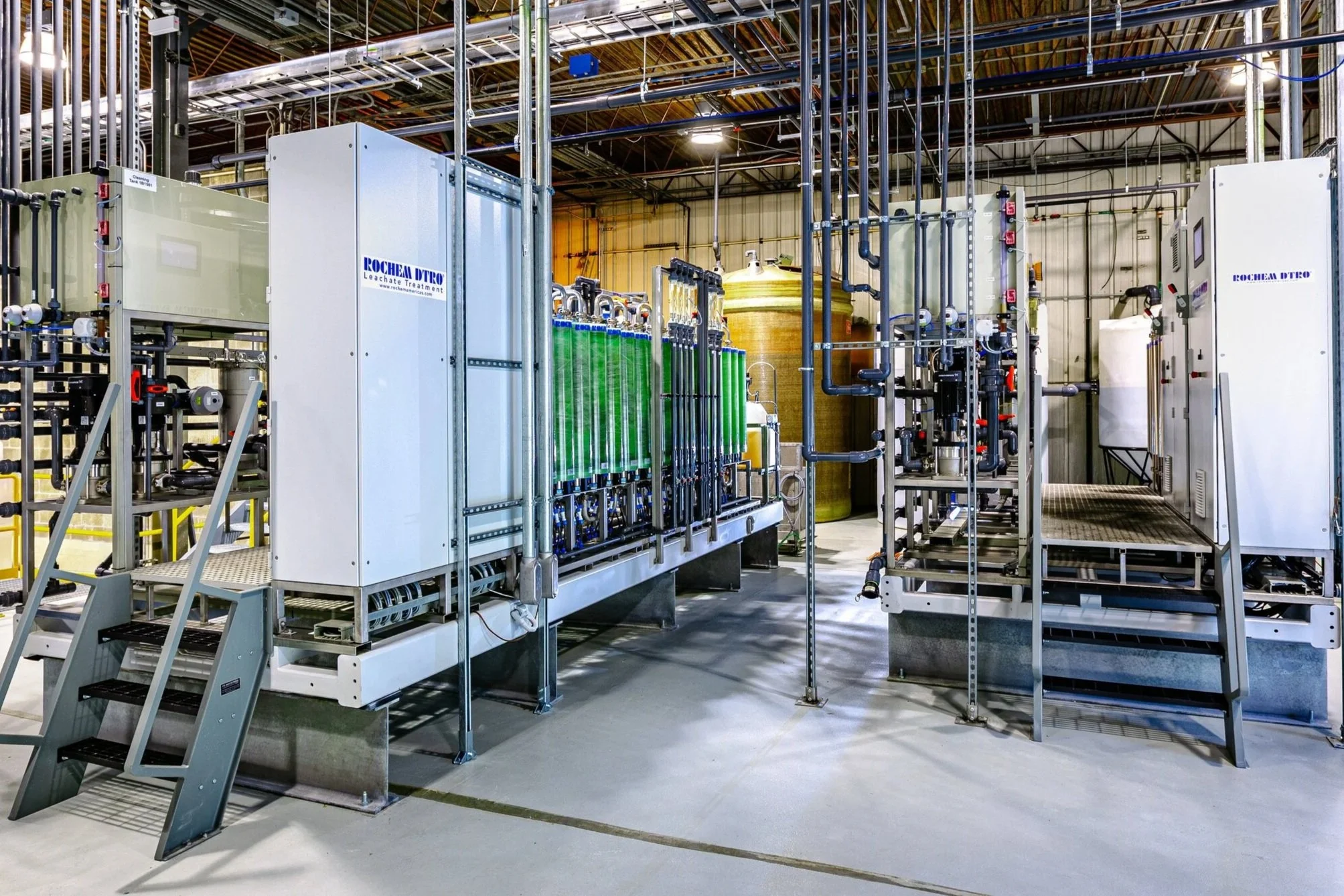
Why DTRO Continues to Matter Today
More than 40 years after its invention, DTRO remains one of the most proven technologies for high-strength wastewater treatment.
The technology is widely used in applications including:
Landfill leachate treatment
Industrial wastewater treatment
Water reuse and resource recovery
Marine and naval desalination systems
Complex wastewater treatment applications
Over the decades, the DTRO design has been replicated across the industry, reflecting the effectiveness of the original concept. Yet ROCHEM continues to build upon the innovation that established the standard, advancing membrane technology to meet today's increasingly complex treatment challenges.
A Legacy of Innovation
What began as a solution to a difficult engineering challenge became a technology that helped redefine what reverse osmosis could achieve.
Today, ROCHEM's DTRO systems help industries, municipalities, and operators around the world recover more water, reduce waste volumes, and address some of the most demanding wastewater treatment applications in existence.
More than four decades later, the mission remains the same: to help customers recover, reuse, and protect one of the world's most valuable resources through innovative water treatment technology.