
Why “Recovery” Matters in Wastewater Management
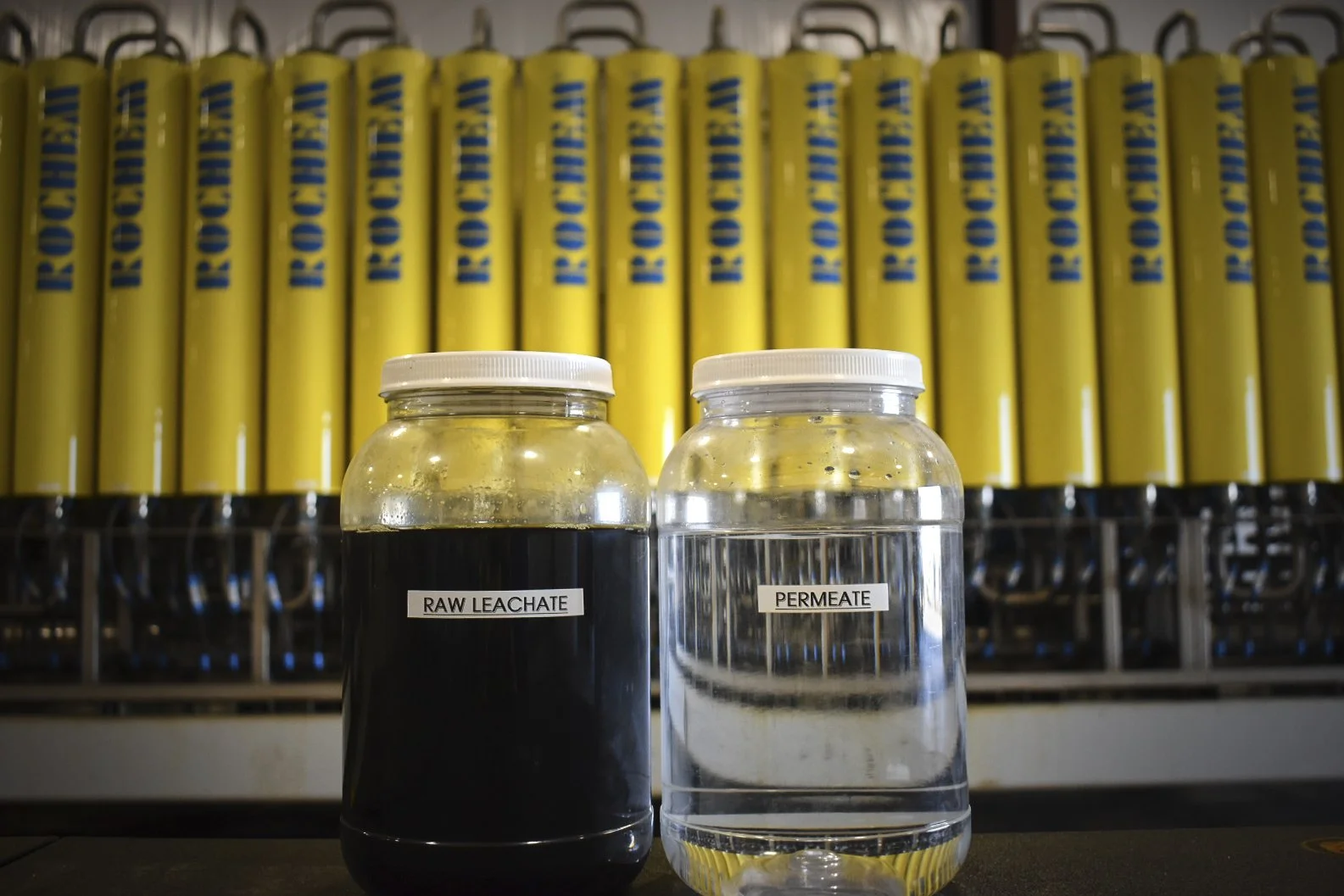
Recovery is one of the most important performance metrics in membrane water treatment. It refers to the percentage of feed water that is converted into treated water, known as permeate. The remaining water leaves the system as concentrate, carrying away the dissolved contaminants removed during treatment.
For example, a system operating at 90% recovery produces 90 gallons of treated water from every 100 gallons of feed water, leaving just 10 gallons as concentrate.
Why Does Recovery Matter?
Higher recovery means more water is available for reuse and less concentrate requires disposal. This can significantly reduce disposal costs, improve water conservation, and increase the overall efficiency of a treatment system.
However, higher recovery also means contaminants become more concentrated within the system, increasing the potential for scaling, fouling, and membrane stress. Achieving high recovery requires the right balance of system design, operating conditions, and water chemistry.
The ROCHEM Difference
At ROCHEM, we specialize in treating some of the industry's most challenging water chemistries while delivering industry-leading recovery rates. Every project begins with a detailed analysis of the customer's water, followed by bench and pilot testing using actual feed water.
Combined with our patented Disc Tube Reverse Osmosis (DTRO) technology and decades of experience treating complex industrial wastewaters, this engineering-first approach allows us to maximize recovery while maintaining long-term system reliability.
Because every water source is different, recovery isn't based on assumptions. It's determined through testing, data, and proven system design.